

Ticks in Winter
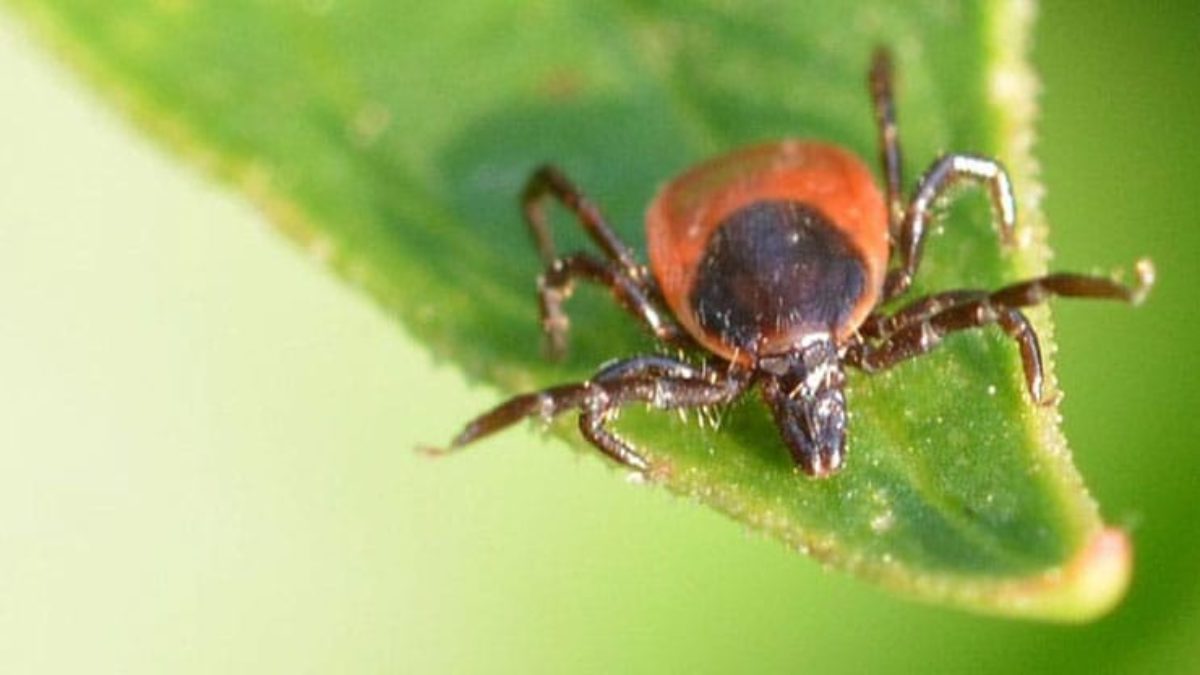
Ticks do not die off completely in winter; most species survive by entering a dormant state called diapause. They seek protected microhabitats to avoid extreme cold:
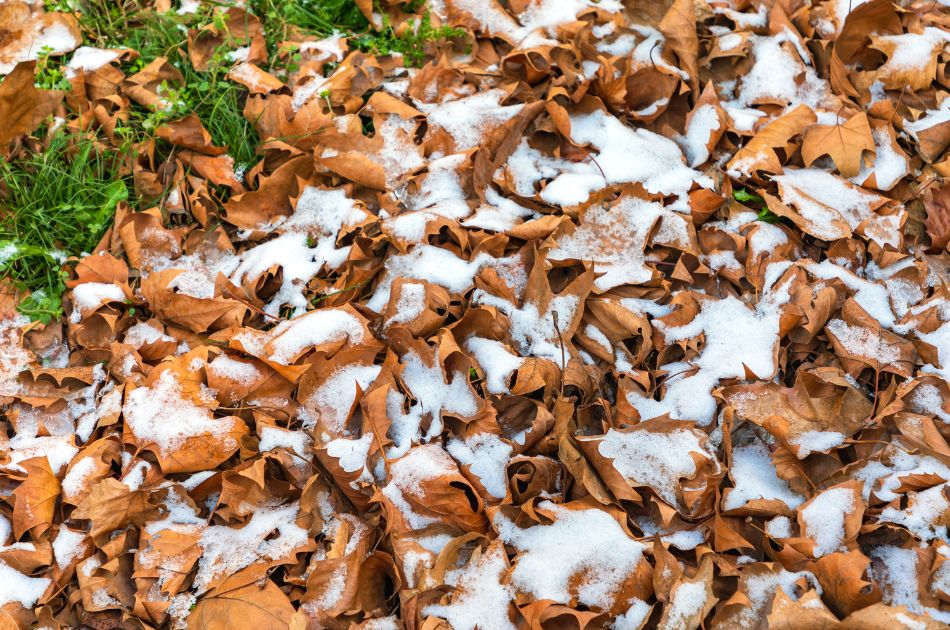
- They burrow into leaf litter, soil pores, under brush, or beneath snow cover, which acts as an insulating blanket.
- Snow and leaf layers stabilize ground temperatures, preventing freezing.
- Adult ticks (especially blacklegged/deer ticks) can become active on mild winter days when temperatures rise above ~35–45°F, looking for hosts like deer or humans.
This explains why tick bites can occur year-round in many regions, particularly during winter thaws.
Mosquitoes in Winter
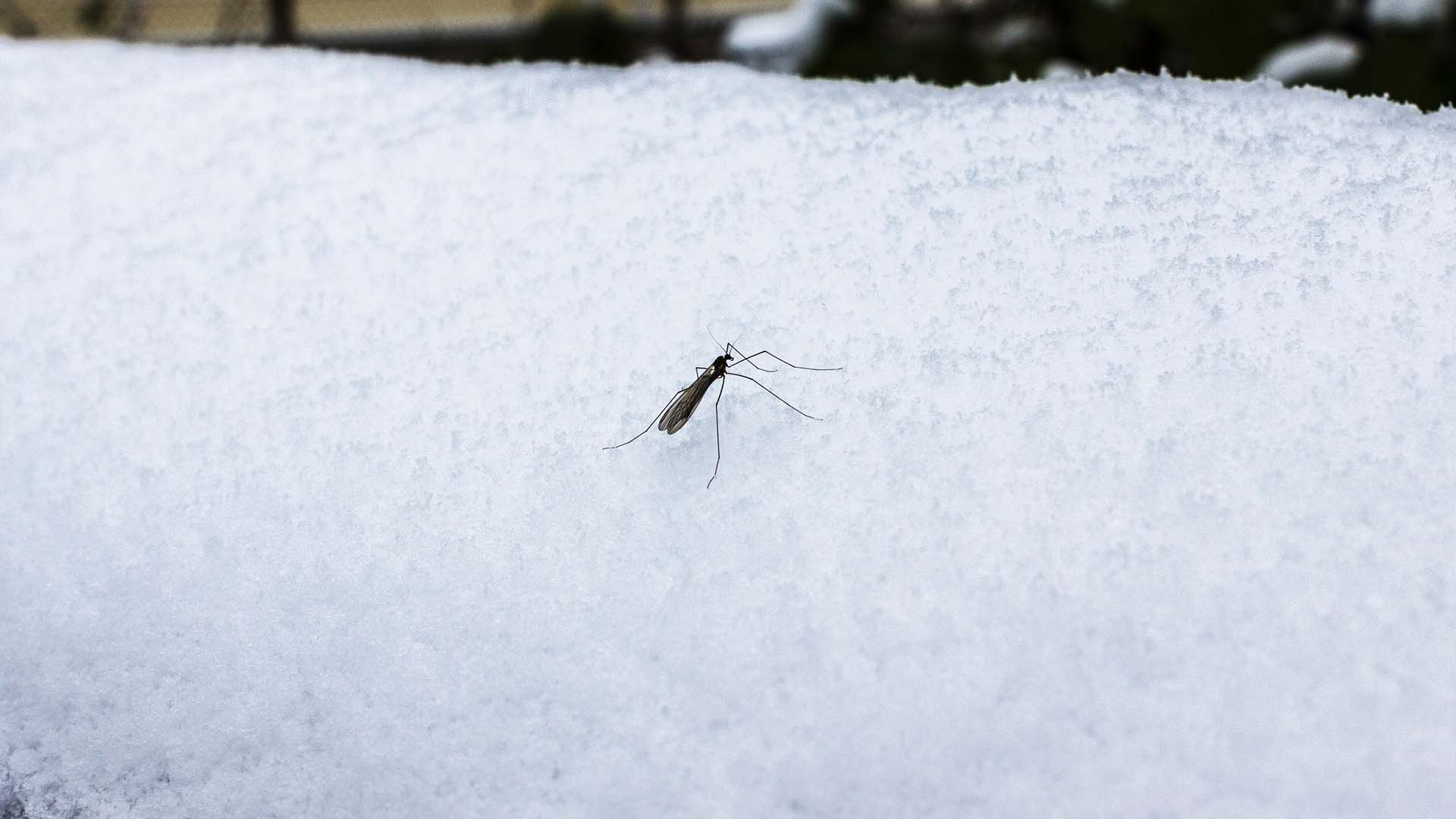
Mosquito survival strategies vary by species and region, but they generally overwinter in a dormant state (diapause or hibernation-like torpor) rather than dying off:
- Many species overwinter as eggs — laid in late summer in moist soil, flood-prone areas, or containers; these hardy eggs can survive freezing and hatch in spring when flooded or warmed.
- Some (e.g., Culex species) overwinter as adult females — hiding in sheltered spots like animal burrows, hollow logs, basements, garages, caves, culverts, or storm drains.
- Larvae of certain species may persist in unfrozen water bodies.
- On warm winter days, hibernating adults can briefly emerge but are usually inactive below 50°F.
This dormancy allows populations to rebound quickly in spring.

In both cases, milder winters due to climate change can extend activity periods and increase populations. To reduce risks, clear leaf litter, eliminate standing water, and use repellents year-round if outdoors in tick/mosquito areas.
Do you need help ridding your property of ticks and mosquitoes?. Contact our office and we’ll schedule their departure!..