

Cool-Season Grass Types: Choosing the Right Turf for Northern Lawns
Cool-season grasses are the foundation of lawns in New England, the Midwest, and other northern climates. These grasses thrive in cooler temperatures, stay green longer into fall, and recover quickly in spring. However, not all cool-season grasses perform the same.
Understanding the differences between common cool-season turf types helps homeowners choose the best lawn for their soil, sun exposure, and maintenance goals.
What Are Cool-Season Grasses?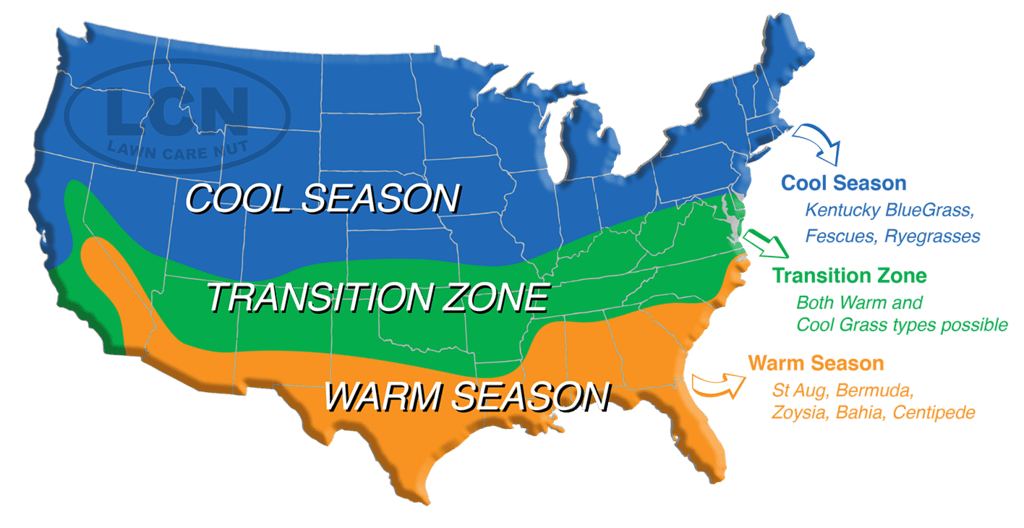
Cool-season grasses grow best when air temperatures are between 60–75°F. They:
-
Green up early in spring
-
Grow actively in fall
-
Slow down during summer heat
-
Are well-suited for northern climates
Most New England lawns are planted with grass blends, combining several species for better resilience.
The Most Common Cool-Season Grass Types
1. Kentucky Bluegrass
Best for: Sunny lawns, high-quality turf
Appearance: Dense, soft, deep green
Pros:
-
Excellent color and texture
-
Self-repairing through underground rhizomes
-
Very durable when well maintained
Cons:
-
High water and fertilizer needs
-
Less shade-tolerant
-
Susceptible to summer stress
Common uses: Front lawns, athletic fields, showpiece turf
2. Perennial Ryegrass
Best for: Quick establishment, high traffic areas
Appearance: Bright green, fine-textured
Pros:
-
Germinates quickly
-
Strong wear tolerance
-
Good disease resistance in newer varieties
Cons:
-
Limited self-repair ability
-
Less winter-hardy than bluegrass
-
Can thin over time if unmanaged
Common uses: Overseeding, lawn repair, mixed seed blends
3. Tall Fescue (Turf-Type)
Best for: Low-maintenance lawns, heat tolerance
Appearance: Medium-to-dark green, coarser blades
Pros:
-
Deep root system
-
Excellent drought and heat tolerance
-
Requires less water than bluegrass
Cons:
-
Does not spread aggressively
-
Clump-forming
-
Coarser texture than other cool-season grasses
Common uses: Residential lawns, commercial properties
4. Fine Fescue (Creeping Red, Chewings, Hard Fescue)
Best for: Shade, poor soils, low-input lawns
Appearance: Fine-bladed, soft texture
Pros:
-
Excellent shade tolerance
-
Low fertilizer and water needs
-
Performs well in sandy or low-fertility soils
Cons:
-
Poor traffic tolerance
-
Less durable in hot, humid conditions
Common uses: Shady lawns, woodland edges, low-maintenance areas
Why Grass Blends Work Best
Most professional lawn seed mixes contain multiple cool-season species to:
-
Improve disease resistance
-
Adapt to varying sun and soil conditions
-
Increase overall lawn resilience
-
Reduce risk of widespread failure
A typical New England blend might include:
-
Kentucky bluegrass for density
-
Perennial ryegrass for quick coverage
-
Fine or tall fescue for stress tolerance
Choosing the Right Grass for Your Lawn
Consider the following:
-
Sun vs. shade exposure
-
Soil type and drainage
-
Foot traffic levels
-
Water availability
-
Desired maintenance level
There is no one-size-fits-all lawn—matching grass type to conditions is key.
Professional Lawn Evaluation Makes a Difference
Improper grass selection often leads to thinning, disease, and constant reseeding. A professional lawn care provider can:
-
Analyze soil conditions
-
Recommend the best grass mix
-
Install seed properly
-
Create a long-term maintenance plan
A Healthier Lawn Starts with the Right Grass
Cool-season lawns can be thick, green, and durable when the correct grass types are chosen. Understanding the strengths and limitations of each species helps homeowners make informed decisions and enjoy better lawn performance year after year.
Need Help Choosing the Right Grass?
Give us a call and we can help!
www.greatcarelawnservice.com