

Keeping Your Lawn Healthy: A Guide to Common Lawn Diseases and Effective Treatments
Cool season grass enjoys four distinct seasons — but it also means dealing with lawn challenges from humid summers to long, snowy winters. Fungal diseases love our cool, moist springs and hot, humid summers, turning lush green grass into patchy brown spots almost overnight. The good news? Most common lawn diseases here are manageable with proper identification, cultural practices, and timely intervention.
Here are the top four lawn diseases you’re likely to encounter in Massachusetts, complete with identification tips, causes, and proven treatments.
1. Brown Patch – The Summer Invader
Brown patch (caused by the fungus Rhizoctonia solani) is one of the most widespread issues in New England lawns, especially during hot, humid spells in July and August.
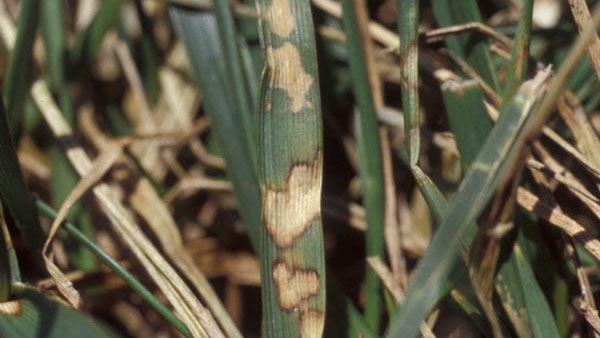
What it looks like It starts as circular or irregular patches of light brown or tan grass, often 3–10 feet across. In the early morning, you might see white, cottony fungal growth (mycelium) on the blades.
Here are some real-world examples of brown patch symptoms:
.jpg?ver=bmHEVScA6TAkrTt49KLNlQ%3D%3D)
Causes High humidity, night temperatures above 70°F, excessive nitrogen, poor air circulation, and overwatering (especially in the evening).
Treatment & Prevention
- Water deeply but infrequently — early in the morning only.
- Mow at proper height with sharp blades.
- Avoid heavy evening watering.
- Improve soil drainage with core aeration.
- For active outbreaks, apply a fungicide labeled for brown patch (e.g., products containing azoxystrobin or propiconazole).
With good habits, your lawn usually recovers on its own as conditions cool.
2. Dollar Spot – The Small but Mighty Patch Maker
Dollar spot thrives in our transitional spring and fall weather — warm days and cool nights.
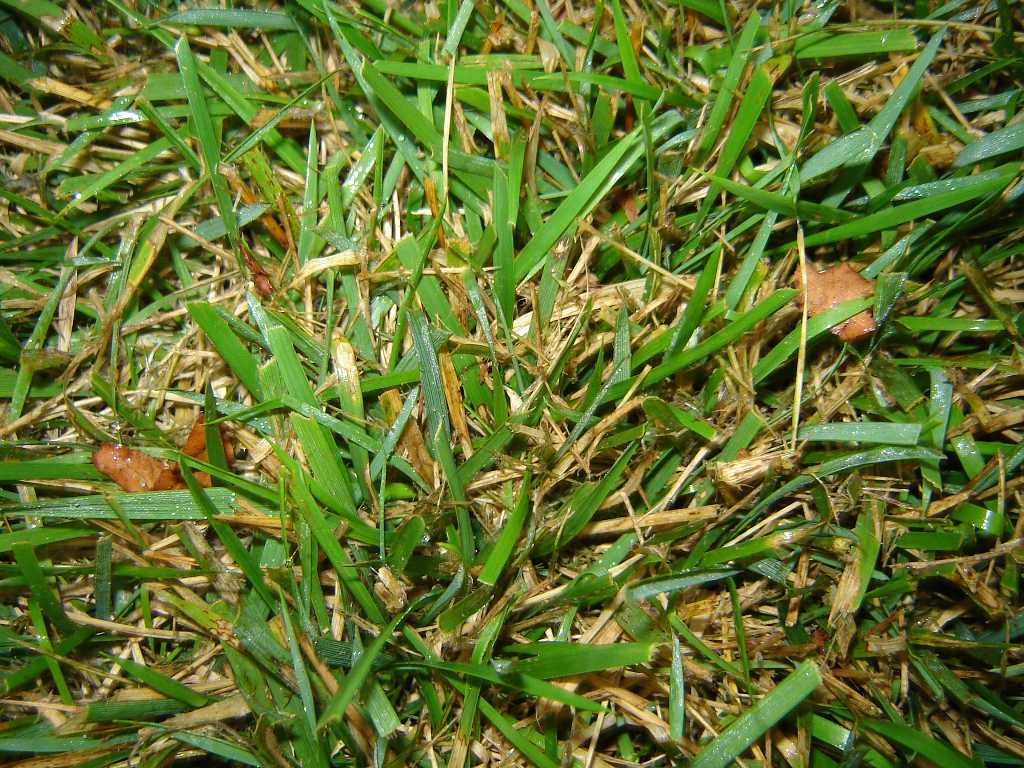
What it looks like Small, round, straw-colored or bleached spots about the size of a silver dollar (1–2 inches). These can merge into larger irregular areas. Affected blades often show reddish-brown hourglass lesions.
Check out these clear examples:

Causes Low nitrogen levels, prolonged dew periods, overwatering, and stressed turf.
Treatment & Prevention
- Fertilize lightly in late spring to boost nitrogen (slow-release is best).
- Water deeply and early; remove dew by mowing early.
- Aerate to reduce compaction.
- Fungicides (e.g., containing chlorothalonil or propiconazole) work well if needed — apply preventatively in persistent cases.
Many lawns simply “grow out” of mild dollar spot with better nutrition.
3. Snow Mold – The Spring Snow Surprise
After our long winters, snow mold often appears as soon as snow melts in March or April.
What it looks like Grayish-white or pinkish matted patches, sometimes with fuzzy fungal growth. Grass may look water-soaked or bleached.
Here are typical snow mold appearances:

Causes Prolonged snow cover over wet, thatchy, or compacted lawns — especially under heavy leaf piles.
Treatment & Prevention
- Rake leaves thoroughly in fall.
- Lightly rake affected areas in spring to promote air flow.
- Fertilize to encourage regrowth.
- Fungicides are rarely needed; most lawns recover naturally.
4. Red Thread – The Pinkish Tint
This disease shows up in cool, wet springs and falls, often in nutrient-poor lawns.
What it looks like Irregular patches with reddish-pink threads or antler-like growths on grass blades.
Causes Low nitrogen/potassium, poor drainage, shade.
Treatment & Prevention
- Apply balanced fertilizer.
- Improve sunlight and airflow.
- Fungicides (e.g., azoxystrobin) for severe cases.
General Tips for a Disease-Resistant Lawn in Worcester
A strong, healthy lawn fights off most diseases naturally. Here’s your year-round checklist:
- Test your soil — Aim for pH 6.0–7.0 and balanced nutrients.
- Water wisely — 1 inch per week, early morning only.
- Mow properly — Never remove more than 1/3 of the blade at once.
- Aerate annually — Especially in fall to reduce thatch and compaction.
- Overseed — Use disease-resistant varieties suited to Massachusetts (e.g., tall fescue or Kentucky bluegrass blends).
Spotting issues early and focusing on cultural practices (watering, mowing, fertilizing) will keep your lawn thriving through our New England seasons. If diseases persist despite your best efforts, consider consulting a local lawn care professional for tailored advice or targeted treatments.
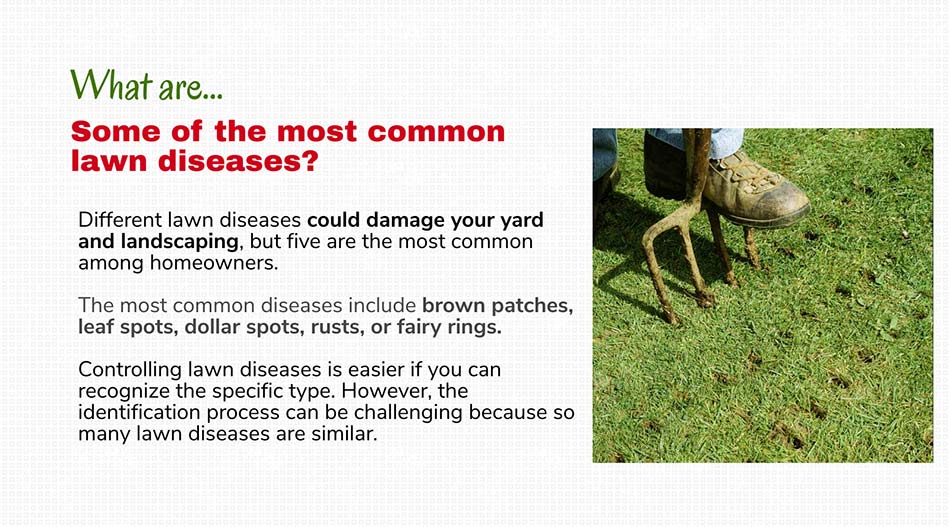
Your lawn can look like this again — green, thick, and healthy!