

Winter Tree and Shrub Care in New England: Protecting Your Landscape Through the Cold Months
As we bundle up for another winter—hello, December chills—it’s time to think about our trees and shrubs. Those brutal freezes, heavy snow loads, drying winds, and hungry critters can stress even the hardiest plants. But with a little prep (mostly done in late fall), your landscape can emerge strong and vibrant come spring.
Whether you have majestic oaks, delicate rhododendrons, or evergreen foundation plantings, winter care is about prevention: shielding from desiccation, breakage, pests, and temperature swings. Here’s your guide to keeping them healthy through a classic nor’easter season.


1. Water Deeply Before Freeze-Up
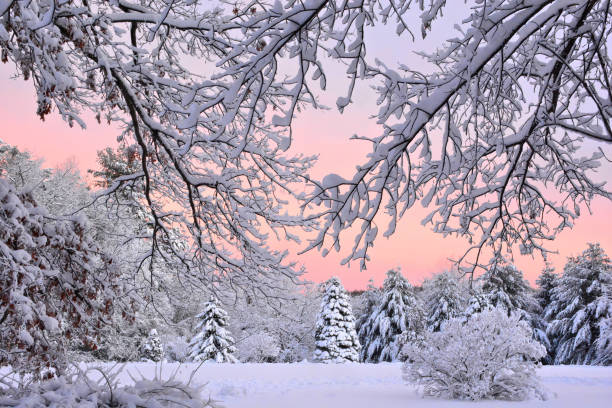
If fall was dry, give trees and shrubs a good soak in late November/early December (before the ground freezes). Evergreens especially need moisture going into winter to combat “winter burn” from frozen soil preventing root uptake while windy days dry out needles.
Pro tip: Focus on newer plantings (under 3-5 years old)—they’re most vulnerable.
2. Mulch for Insulation and Moisture Retention
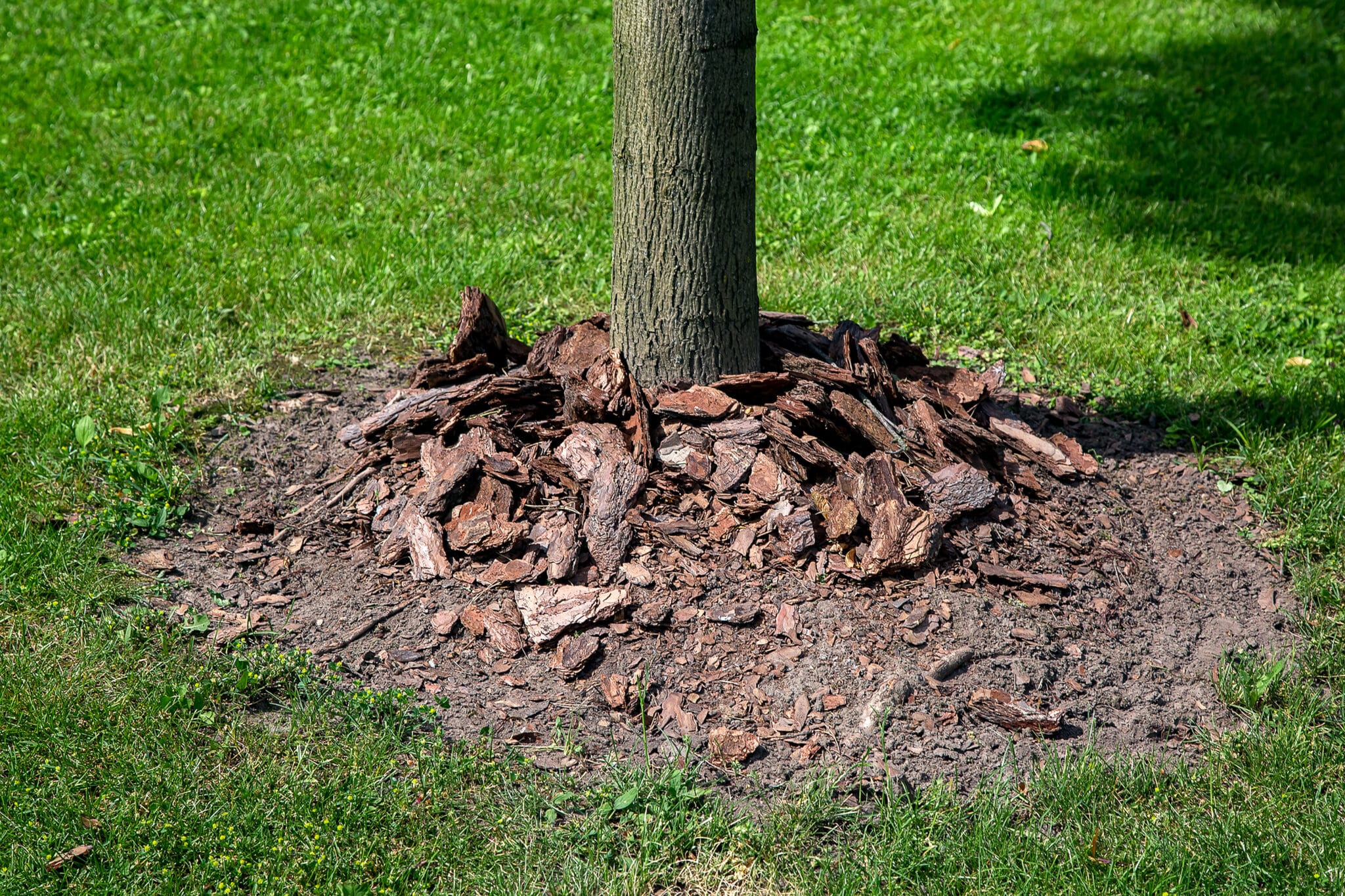
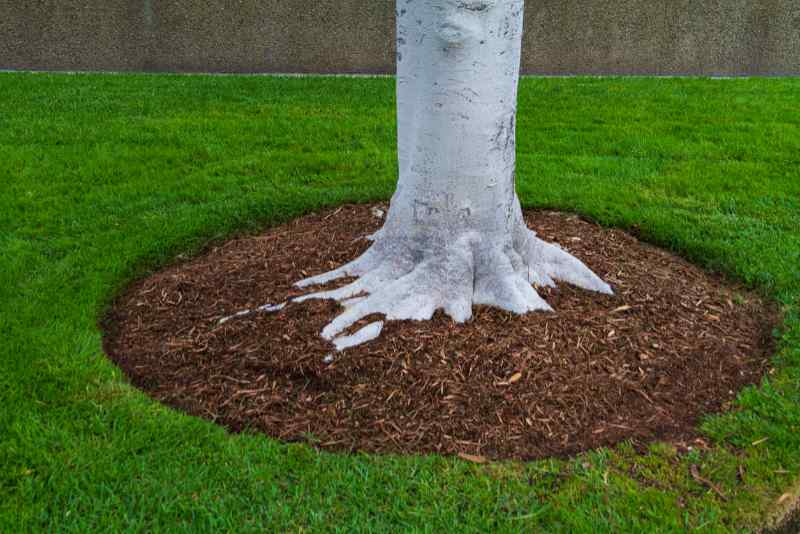
Apply 2-4 inches of organic mulch (bark, wood chips, or leaves) around the base, extending out to the dripline but keeping it away from trunks to avoid rot. This regulates soil temperature, retains moisture, and protects roots from freeze-thaw cycles.
3. Protect Evergreens from Wind and Desiccation
Broadleaf evergreens (like rhododendrons, boxwoods, and hollies) and needled ones can suffer winter burn—browning from dry winds when roots can’t replenish lost moisture.
- Anti-desiccant spray: Apply in late fall (Thanksgiving-ish, and again if there’s a January thaw) to coat leaves/needles with a waxy film.

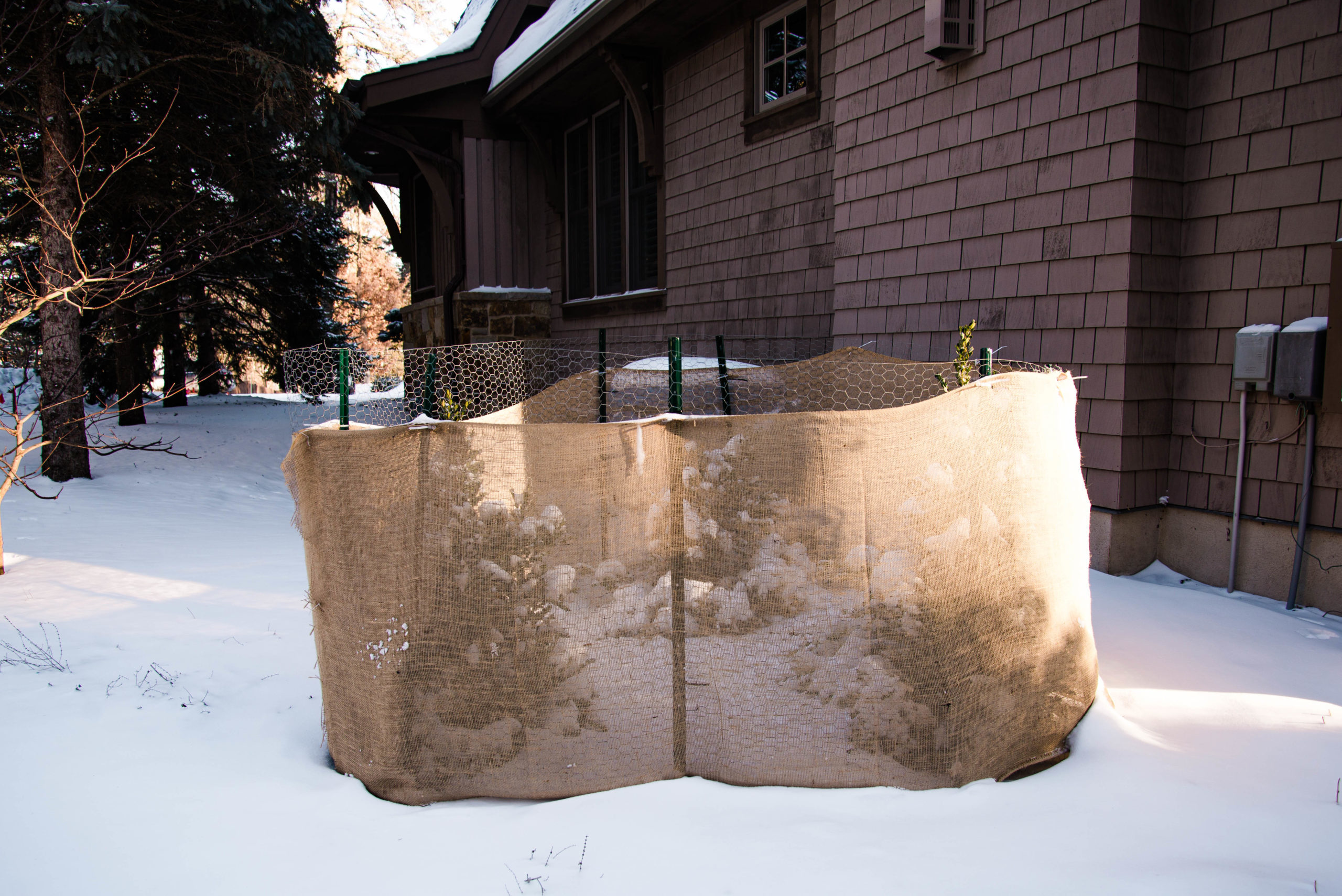
- Burlap screens or wraps: For exposed spots, erect burlap barriers on the windy side or wrap sensitive shrubs.
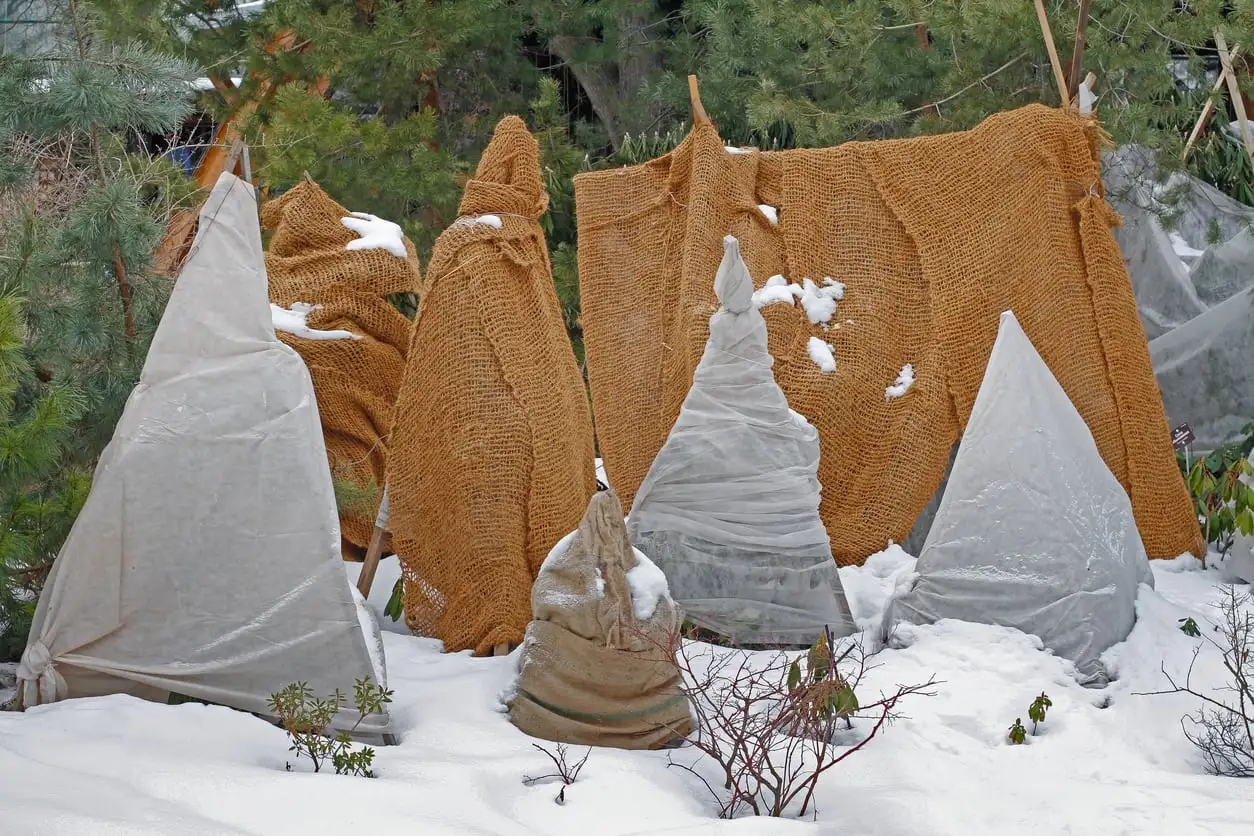
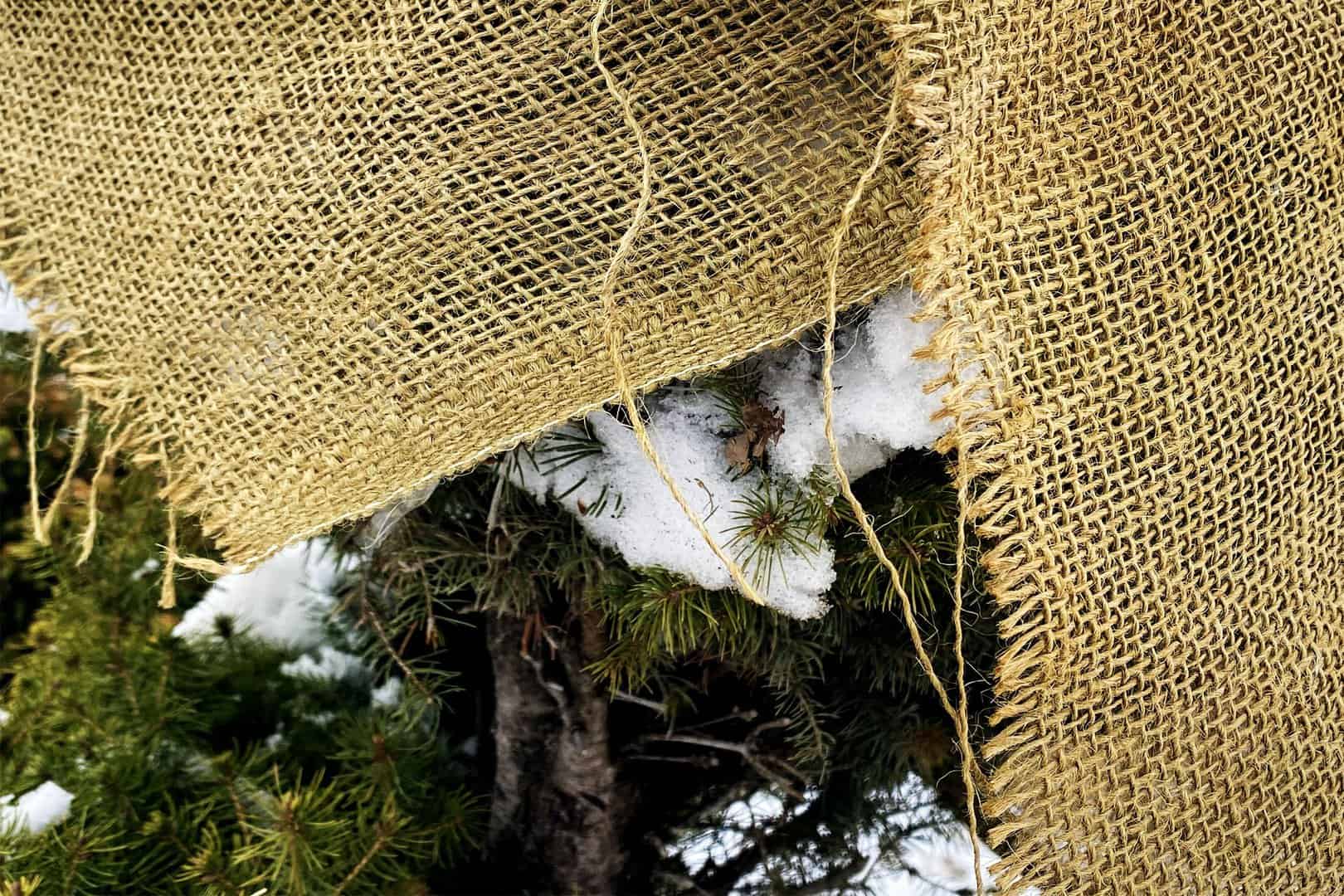
If you see browning, don’t panic—much of it recovers in spring, but severe cases like this show what happens without protection.

4. Guard Young Trees from Pests and Sunscald
Wrap trunks of thin-barked trees (maples, fruit trees, young ornamentals) with tree guards or wraps from ground to first branches. This prevents:
- Rodent chewing (voles/mice under snow)
- Rabbit gnawing
- Sunscald (southwest side cracking from freeze-thaw)
Remove wraps in spring to avoid moisture buildup.

5. Handle Snow and Ice Gently
After storms, gently brush heavy snow off branches to prevent breakage—use a broom, upward sweeps. Avoid shaking iced branches; let ice melt naturally. For upright evergreens (arborvitae), tie branches loosely if they’re splaying.
6. Prune Dormant Deciduous Trees (If Needed)
Winter is prime pruning time for many trees—dormancy means less stress, no leaves for better visibility of structure, and reduced disease spread.
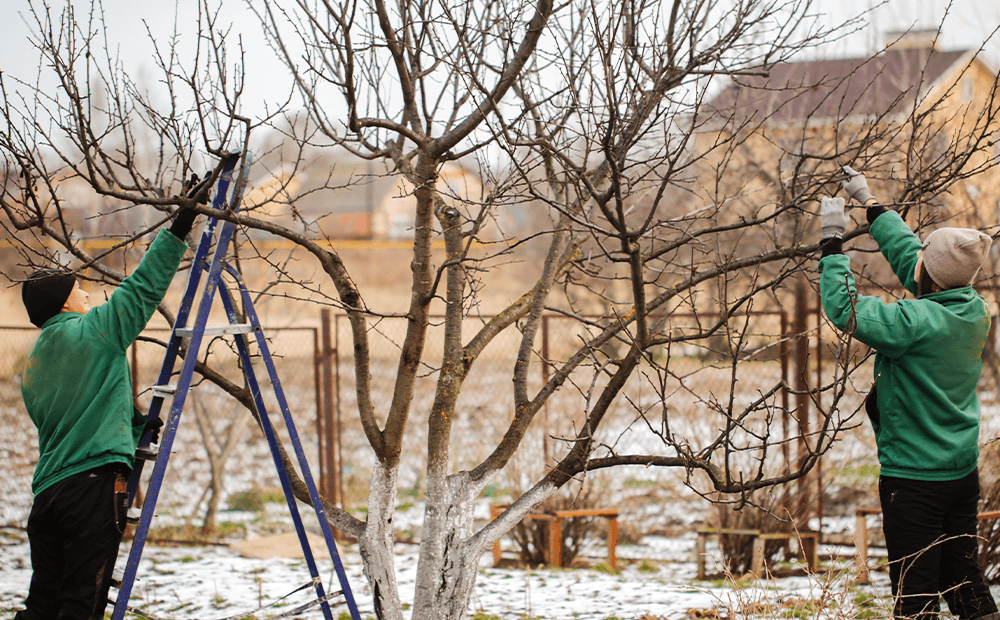
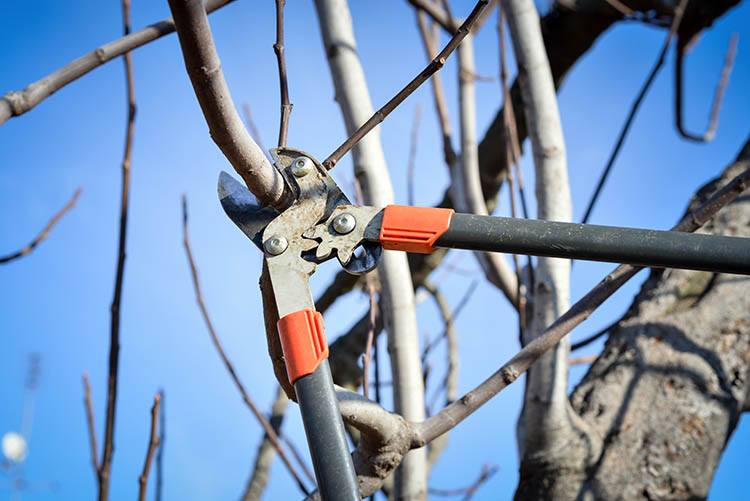
Skip spring-flowering shrubs (lilacs, forsythia) until after bloom.
Final Thoughts: Set It and Forget It (Mostly)
Most winter care happens before the deep freeze hits. Once protected, let snow insulate and monitor occasionally. Come March/April, remove wraps/screens as temps rise.
Your trees and shrubs are tougher than our winters—give them a fighting chance, and they’ll reward you with lush growth. Questions about specific plants? Comment below or chat with a local arborist. Stay warm, and here’s to a beautiful spring thaw! ❄️🌳