

Surviving New England Winters: Essential Lawn Care Tips for a Healthy Spring Comeback
If you’re like me, staring out at your snow-blanketed yard in mid-December, you might be wondering what (if anything) you should be doing for your lawn right now. With freezing temps and heavy snowfall, our cool-season grasses—like Kentucky bluegrass, fescue, and perennial ryegrass—go into full dormancy mode. Don’t worry: your lawn isn’t dead; it’s just conserving energy in its roots, waiting for warmer days.
The good news? Winter lawn care is mostly about doing less to avoid accidental damage. Most of the heavy lifting should have happened in fall, but if you’re here now, let’s focus on protecting what you’ve got. Here’s my guide to keeping your lawn happy through a classic New England winter.
1. Stay Off the Grass: Minimize Foot (and Vehicle) Traffic
Dormant grass is brittle and vulnerable. Walking, playing, or even driving on frozen or snow-covered turf can crush the crowns and blades, leading to unsightly brown patches when spring arrives.
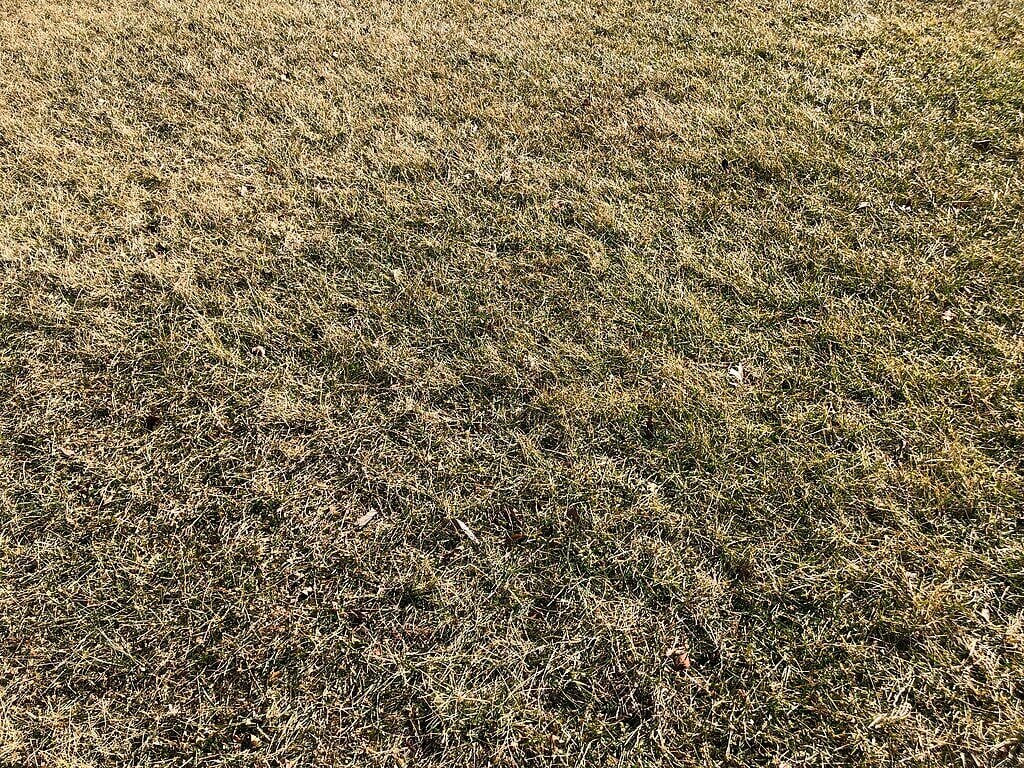
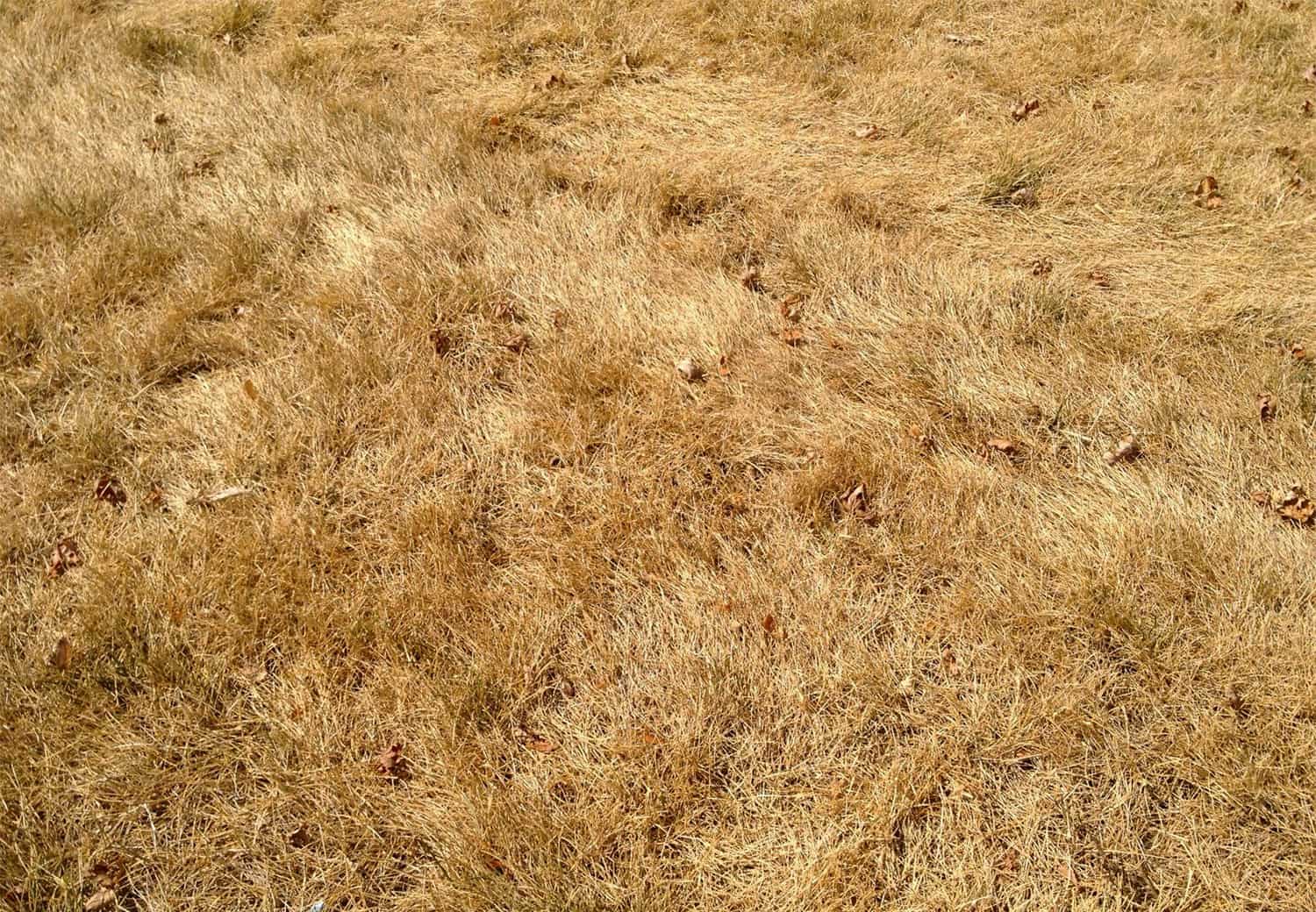
Pro tip: Designate paths on driveways or sidewalks for kids and pets. Your lawn will thank you!
2. Let It Snow (But Handle Removal Wisely)
Snow actually acts as a natural insulator, protecting your grass from extreme cold and wind desiccation. When clearing driveways or walkways, shovel or blow snow gently onto the lawn—but avoid piling it high in one area, as deep piles can lead to uneven thawing and issues like ice smothering.

Most importantly: Never use salt or chemical de-icers near your lawn—they can burn and kill turf. Opt for sand for traction instead.
3. Skip the Active Care: No Mowing, Fertilizing, or Watering
Once temperatures consistently dip below 40°F (usually by late fall), growth stops. Put the mower away—no need to cut dormant grass. Fertilizer? Timing is important, but should be down before the ground is frozen. Watering isn’t necessary either—snowmelt and occasional thaws provide plenty.
4. Keep an Eye Out for Winter Pests and Diseases
Two common culprits in our region:
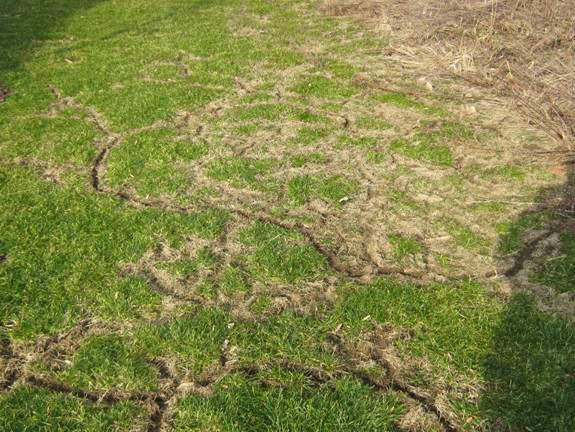
- Voles: These little rodents tunnel under snow (called “subnivean” tunnels) and munch on grass roots. You might not notice until snow melts, revealing winding trails.
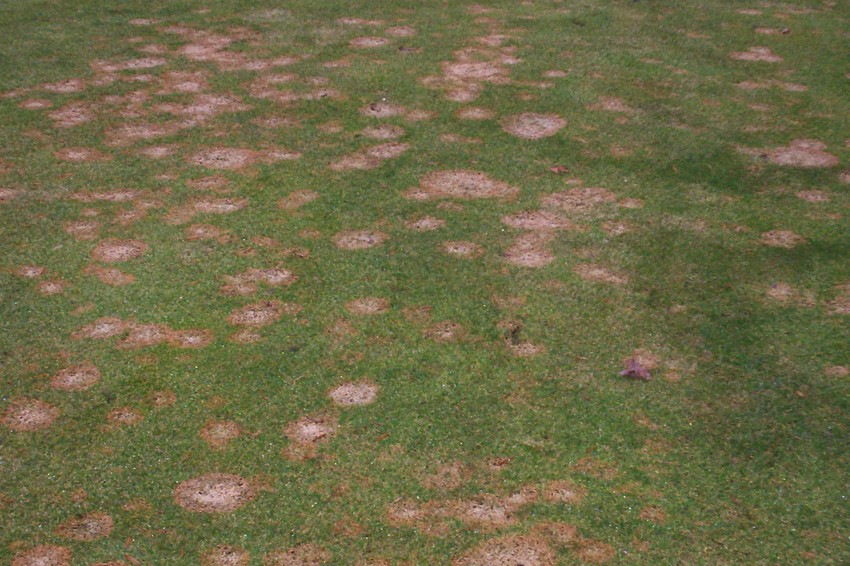
- Snow Mold: Fungal diseases (gray or pink) that thrive under prolonged snow cover on moist, matted grass. Good fall cleanup (raking leaves) prevents most cases.
5. Use Downtime for Equipment Prep
Winter is perfect for mower maintenance: Sharpen blades, change oil, clean filters, and stabilize or drain fuel.

Final Thoughts: Prep Now for a Lush Spring
The best winter defense is a strong fall routine—final short mow (2.5 – 3 inches), leaf removal, aeration/overseeding if needed, and a winterizer fertilizer. As March thaws approach, gently remove debris and plan your spring revival.
Hang in there—before you know it, those crocuses will pop, and your lawn will roar back greener than ever. Got specific lawn woes? Drop a comment below, or consult a local turf expert for tailored advice. Stay warm out there! ❄️🌱