

Spring Lawn Seeding
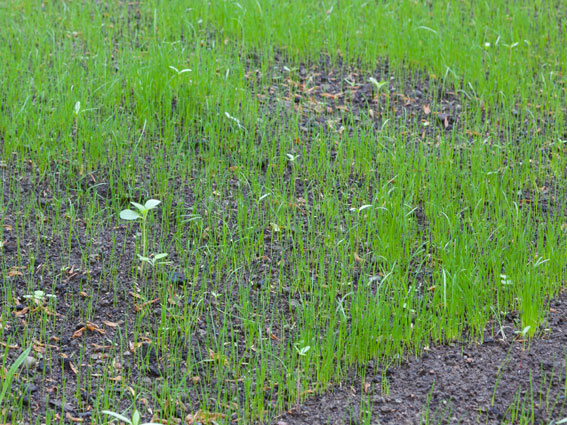
While fall (mid-August to mid-September) is universally considered the best time for seeding or overseeding lawns in New England due to warm soil, cooler air, reduced weed competition, and better root establishment before winter, spring seeding can still succeed if you’re repairing winter damage or can’t wait until fall. New England uses cool-season grasses (like Kentucky bluegrass, perennial ryegrass, tall fescue, and fine fescues), which germinate when soil temperatures consistently reach 50–65°F.
Best Timing for Spring Seeding
- Aim for mid-April to early May, after the last hard frost (typically mid-April) and when soil is workable but not soggy.
- Monitor soil temperature: Use a soil thermometer or check local resources (e.g., Greencast or university extensions). Daytime air temps in the 60–75°F range usually indicate suitable soil conditions.
- Seed too early (March/early April): Risk of frost damage or poor germination.
- Seed too late (June+): New grass struggles with summer heat and drought.

Steps for Successful Spring Seeding
Whether overseeding (thickening an existing lawn) or starting a new lawn, follow these steps:
- Test and Prepare Soil Test pH (ideal 6.2–7.0) and amend with lime if acidic (common in New England). Remove debris, rake out dead grass, and loosen compacted soil.
- Aerate (Recommended for Overseeding) Core aeration improves seed-to-soil contact and reduces thatch.


3. Choose the Right Seed Use high-quality cool-season mixes suited to your site (sun/shade, traffic). Brands like Jonathan Green or local blends work well.
4. Spread Seed Use a spreader for even coverage. Rates: 5–10 lbs/1,000 sq ft for new lawns; 3–5 lbs for overseeding.
5. Ensure Seed-to-Soil Contact Lightly rake, topdress with compost/peat, or roll gently.
7. Fertilize Use a starter fertilizer high in phosphorus. (19-19-19 is common, middle number is phosphorus)


Spring Challenges and Tips
- Weed Competition: Skip pre-emergent crabgrass preventer on seeded areas—it kills grass seed too. Deal with weeds post-emergence.
- Summer Stress: New grass has shallow roots; water deeply during heat/drought to help survival.
- Overseeding vs. New Lawn: Overseeding is easier in spring; full new lawns often need more prep (tilling, leveling).
If possible, plan major seeding for fall 2026 for optimal results. For local advice, check your state’s cooperative extension (UMass,). With care, spring seeding can give you a greener lawn by summer! 🌱